Osteopath Jobs New Zealand
Osteopath Jobs New Zealand: What to Expect (Roles, Pay, and a Smarter Search)
Thinking about a move, or just ready for a better clinic fit? Osteopath Jobs New Zealand can look tempting from the outside, especially if you want a lifestyle change without stepping away from hands-on care.
This guide is for osteopaths who are job hunting, including overseas clinicians (UK-based readers included) weighing up the practical side. You'll learn what roles usually look like, where work tends to show up, what employers care about, what pay often looks like, and how to apply without wasting weeks.
You won't find promises of "guaranteed" roles here. Instead, you'll get a clear way to judge offers and move faster with fewer surprises.
What osteopath work looks like across New Zealand in 2026
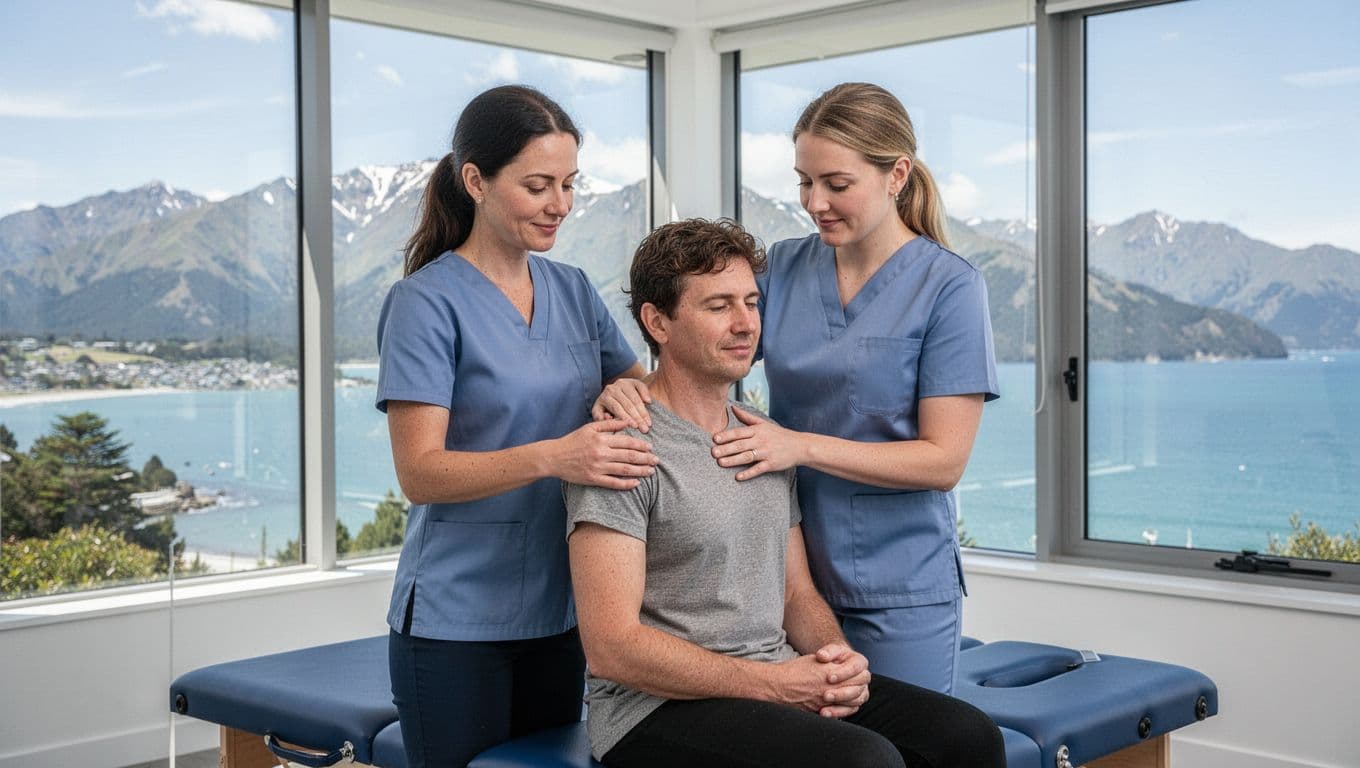 An osteopath treating a patient in a modern New Zealand clinic setting, created with AI.
Most clinics hiring in New Zealand want someone who can treat independently, communicate well, and build trust quickly. Titles vary, but you'll commonly see associate osteopath roles, sometimes labelled as "structural" or "general practice". You'll also see contractor arrangements where you're effectively self-employed inside a clinic.
Hours range widely. Full-time can mean a five-day week with a mix of new and returning patients. Part-time roles are common too, especially if a clinic wants to grow demand first or cover peak days. New-grad friendly roles exist, but they're usually paired with mentoring or a slower ramp-up.
A typical week often includes:
- patient consults with time buffers that may shrink as your diary fills
- note writing and basic admin
- referral letters when needed
- ACC-related admin for eligible injury cases (process and expectations vary by clinic, so ask how they handle it)
Clinic culture matters more than many ads admit. One clinic might run like a calm studio with longer appointments and steady rebooks. Another might operate more like a busy gym-adjacent practice with higher volume and shorter treatment slots.
Location-wise, roles cluster around Auckland, Wellington, Christchurch, and Tauranga, but smaller centres pop up often enough to be worth watching. If you want a feel for the kind of language clinics use in ads, scan real postings such as this Auckland osteopath role example and note what they emphasise (busy diary, style of practice, and "fit" with the team).
Employee, contractor, or commission: how clinics usually structure pay
Pay structure drives your weekly stress level. So, get clear early.
Employee (salary or wages) roles tend to offer steadier income. You may get paid leave and a more predictable baseline. In return, the clinic may set tighter rules on hours, meetings, and admin tasks. Taxes are typically handled through payroll.
Contractor setups often pay a percentage split or room rent model. You usually invoice for your work and manage your own tax, insurance, and time off. Income can jump up if your diary is full, but it can drop quickly in slow months.
Commission can appear under either model, but it usually means your pay tracks your billings. It can feel fair when systems are strong, but it can also hide problems (weak marketing, poor reception follow-up, or unrealistic targets).
Before you sign, ask these questions in plain terms:
- What exactly is the pay model? Salary, hourly, split, or a mix?
- How is leave handled? Paid leave, unpaid leave, or "take it when you can"?
- Who pays tax and ACC levies? You or the clinic?
- What admin is unpaid? Notes, emails, case reviews, meetings.
- What happens if my diary is quiet? Any minimum guarantee, or none?
A clinic that answers clearly is usually a clinic that runs clearly.
Where the jobs tend to be: big cities vs smaller centres
 A clinician heading to a small-town clinic near the coast in New Zealand, created with AI.
Big centres can feel like the safe choice. Auckland especially offers volume, varied patient needs, and lots of allied health connections. However, competition is higher, and some clinics expect faster pace because patients have many options.
Smaller towns flip that. You may become "the osteopath" for a whole community. That can mean stronger word-of-mouth and better continuity of care. On the other hand, fewer clinics exist, so options can be limited if the fit is off.
When you compare locations, focus on practical daily life:
Commuting time can shape your energy more than the job title. A packed motorway drive each day can drain you. In contrast, a short walk to the clinic can make five days feel easier.
Also ask about referral networks. In some areas, relationships with GPs, physios, gyms, and sports clubs drive steady demand. In other areas, clinics rely mostly on Google reviews and local Facebook groups.
If you're considering a smaller centre, it helps to check whether the clinic already recruits openly. For example, the Osteopathy Nelson recruitment page shows how some practices speak directly to new grads and relocating clinicians, with clear expectations around CVs, references, and culture.
What you need to work as an osteopath in New Zealand (registration, paperwork, and standards)
To practise in New Zealand, you generally need registration with the Osteopathic Council of New Zealand (OCNZ) and to meet its standards for competence and professional conduct. Clinics usually won't treat this as optional, even if they like your CV. They need to know you can legally work, and that your timeline is real.
At a high level, expect to show:
- approved qualifications (or assessment of overseas qualifications)
- proof of identity and verified documents
- evidence of good standing and professional references
- ongoing professional development (CPD) expectations once you're practising
Rules and pathways can change, so confirm requirements directly with OCNZ before you commit to flights or shipping.
If you're overseas, start the registration conversation early. Delays often come from paperwork, not clinical ability.
New Zealand trained vs overseas trained: the usual steps and timelines
New Zealand trained osteopaths usually follow a more direct path, because their qualification already fits local requirements. Even then, timing matters. Employers may still ask when you'll be fully registered, and whether you need supervision.
Overseas trained clinicians often follow a longer route. While details depend on your background, the flow often looks like: document checks, qualification assessment, and then any required assessments or conditions before full registration.
You can reduce delays with a few practical habits:
Certified documents help. Missing stamps and unclear scans are common causes of back-and-forth emails.
References matter too. Clinics and regulators tend to prefer referees who can comment on clinical reasoning, safety, and communication, not just "they're nice to work with".
Finally, keep your scope clear. If your CV reads like you do everything for everyone, it can slow decisions. Instead, explain what you treat most, how you approach care, and what outcomes you track.
If you are moving from overseas: job offer, visa options, and what employers expect
Many overseas applicants aim for a job offer first, then align visa steps around that start date. In New Zealand, common routes include the Accredited Employer Work Visa and, depending on eligibility, pathways under the Skilled Migrant Category. Visa rules shift over time, so check official immigration guidance for current criteria and timelines.
From the employer side, expectations are usually simple:
They want proof you're progressing with OCNZ, not just "planning to apply". They also want confidence you can communicate clearly with patients and staff. Some clinics ask for English proficiency evidence, especially if registration steps require it.
Timing is another big one. A clinic can wait for the right person, but not forever. If you're six months out, say so. If you can arrive in eight weeks, show how you'll make that happen without cutting corners.
To see how clinics position offers to attract overseas applicants, it can help to read employer-run pages such as Better Health Osteopathy's jobs page. Look past the marketing and pull out the concrete bits: mentoring, diary support, and how they talk about workload.
Pay and progression: what to expect, and how to increase your earning power
Pay varies by region, clinic maturity, and pay model. Still, recent market data puts the average osteopath salary in New Zealand at about NZ$69,500 per year, with a commonly reported range of roughly NZ$50,000 to NZ$80,000 (especially for employed roles and typical clinic setups). For a quick benchmark, see the New Zealand osteopath salary summary, then compare it with real offers and splits.
Contractor income can sit outside that range, because it depends on patient volume and fees. A busy diary can lift earnings quickly, while a quiet month can feel sharp.
Progression usually comes from boring basics done well. Retention, rebooking, and word-of-mouth are still the main drivers in most clinics. Extra skills help too, but only if patients return because outcomes feel real.
Keep your expectations grounded. New Zealand clinics often value steady, safe care and good communication. A clinician who builds long-term trust can out-earn someone with flashy credentials but poor follow-up.
The factors that move your income up or down in real clinics
Even small details can change your take-home pay.
Split rates matter, but they're only part of the picture. A slightly lower split inside a clinic with strong booking systems may beat a high split in a clinic where your diary stays half empty.
Admin time is another silent cost. If you spend lots of unpaid time on notes, ACC admin, and chasing referrals, your "hourly rate" drops fast.
Here are a few real-world levers to ask about:
- Diary fill support: reception follow-ups, waitlists, recall systems
- Consult length and pace: 30 vs 45 vs 60 minutes changes volume and energy
- Marketing support: website leads, GP letters, local partnerships
- CPD allowance: money or time off for courses
- New patient flow: how many new patients per week, and who gets them
Watch for red flags that can crush earnings:
- unclear targets paired with "we'll see how you go"
- heavy unpaid admin with no time blocked out
- no plan for building your diary (just "bring your own patients")
- vague commission maths that changes when you ask for it in writing
Career paths beyond associate roles
Most osteopaths start as associates, then pick a direction based on what they enjoy and what they can sustain.
A senior clinician path suits people who love complex cases and mentoring newer osteopaths. Usually, it makes sense once your diary stays stable and you can explain your reasoning clearly.
A lead osteopath or clinic manager path adds team leadership and operations. Choose this when you like systems and communication, not when you're simply burnt out.
Teaching and supervision can grow later too. If you enjoy breaking down assessment and treatment choices, mentoring may feel natural.
Opening your own practice is another step. It can be rewarding, but it also adds rent, staffing, marketing, and compliance tasks. In general, it's sensible once you've seen at least two clinic styles up close and you know what you'd do differently.
How to search Osteopath Jobs New Zealand effectively (and apply with confidence)
 An osteopath reviewing job options and planning applications, created with AI.
Job hunting works best when you stop treating every role like a fresh start. Instead, decide what you need, then filter hard.
Start with your must-haves: pay model, mentoring (if needed), appointment length, and the kind of patients you want to treat. Next, pick two or three locations you'd genuinely live in, not "could tolerate".
Then compare roles by structure, not by hype. A short ad can still be a great job if the clinic has solid systems and clear expectations. Likewise, a long ad can hide a messy diary.
As you scan listings, use one page to keep things simple. For example, you can monitor osteopath jobs in New Zealand and track what keeps repeating across ads (pay models, cities, and whether clinics mention mentoring or diary support).
Once you've shortlisted, tailor your CV to each clinic. Keep it tight: your approach, what you treat often, and a couple of outcomes you care about (return to sport, fewer headaches, better sleep, less flare-ups). Then bring the same clarity to the interview.
A simple job search plan you can finish in one weekend
You don't need a perfect plan. You need momentum.
Here's a weekend approach that works because it's small and specific:
- Update your CV (one page if possible, two pages max).
- Write a short cover letter template you can tweak in five minutes.
- List 10 target clinics (mix big cities and smaller centres).
- Apply to 5 roles or clinics.
- Call 3 clinics to ask about pay model and mentoring.
- Book 2 interviews or trial days, even if they're video calls.
On Sunday night, set a follow-up reminder for every contact. Most good offers come from consistent follow-up, not from applying to 30 roles in one burst.
Interview and trial day questions that protect your time and income
Treat interviews like a joint clinical history. You're listening for patterns, not slogans.
Ask clear questions about the diary:
How do new patients get allocated? Who handles follow-ups? What's the no-show policy? How far ahead are clinicians booked right now?
Get specific on pay:
What is the exact split or salary? Is GST involved for contractors? Are there thresholds or changes after probation? When do I get paid?
Then protect your future options:
Ask about non-compete clauses, restraint of trade, and what happens if you move suburbs. You don't need to be combative, just calm and direct.
A quick "good answer" guide helps:
Good answers sound concrete, boring, and consistent. If the numbers keep changing mid-conversation, they'll probably change later too.
If you're offered a trial day, watch reception flow and handovers. Notice whether patients rebook easily, and whether staff speak well of the clinic when the owner isn't in the room.
For extra context on how clinics pitch roles, compare another listing style, such as this associate osteopath role in Wellington, and ask yourself: what's clear, what's missing, and what would you need to confirm before relocating?
Conclusion
Osteopath work in New Zealand can be a strong fit if you match the role to your life, not just your CV. Keep the basics simple, then verify the details early.
- Choose the right pay model for your risk level and lifestyle.
- Confirm OCNZ and visa steps before you promise start dates.
- Compare clinics by diary support and systems, not big claims.
- Ask direct questions about admin time, targets, and patient flow.
- Apply in small batches, then follow up quickly.
Pick a location, shortlist a handful of clinics, and send your first five applications this week. The best move often starts with one honest conversation and a clear next step.