Osteopath Jobs Canada
Osteopath Jobs in Canada : Roles, Pay, Requirements, and Where to Apply
If you search osteopath jobs in Canada, you'll quickly notice a catch. Most Canadian postings aren't for a U.S.-style DO physician. They're for a manual osteopath (a hands-on MSK therapist working in private clinics).
That difference shapes everything: training, licensing expectations, and pay. In March 2026, the healthcare jobs market is active but not huge. Openings tend to be clinic-based, and many start as part-time or contractor roles with a split or per-visit pay.
This guide explains where the osteopathy jobs are, what you need to qualify, how compensation usually works, and how to land interviews without wasting time on mismatched listings.
First, know which kind of "osteopath" Canadian employers are hiring
In Canada, "osteopath" can point to two very different careers. Confusing them is like showing up for a massage therapist or physiotherapist interview with a pilot's license. Both are real jobs, but they don't match the same posting.
Here's a quick way to separate them:
| What the ad says | Usually means | Where it's done |
|---|---|---|
| "Manual osteopath," "osteopathic manual practitioner," "MOP," "DOMP" | Hands-on manual therapy role | Private clinics, wellness centres |
| "Physician," "hospital privileges," "residency," "prescribing" | DO physician role | Hospitals, medical system |
The rest of this article focuses on the role most Canadian job boards mean: the manual Osteopath.
Manual osteopath (osteopathic manual practitioner), the common job title in Canada

Photo by www.kaboompics.com
Most postings describe a practitioner who assesses movement, treats with hands-on techniques, and supports recovery plans. Day-to-day work often includes:
Assessment and screening, including red flags and referral decisions.
Manual therapy treatment (soft tissue work, mobilization, and other osteopathic techniques).
Home advice (basic mobility, breathing, posture, and load management).
Charting that another clinician can understand.
Collaboration with RMTs (Registered Massage Therapists), physios, chiros, naturopaths, sports medicine practitioners, and sometimes MDs.
Employers also tend to ask for association membership in good standing, professional liability insurance, and legal authorization to work in Canada. Just as important, they want someone who communicates well and can retain clients without pressure tactics.
DO physician roles, why they are different and easier to misread in job searches
A Doctor of Osteopathic Medicine (DO) is a physician in the United States. In Canada, physician roles follow provincial medical licensing rules, not manual therapy association standards. That's why DO job ads (when you see them) read like medical postings and list requirements like residency training and registration with a provincial College of Physicians and Surgeons.
A simple filter helps: if the ad talks about hospital coverage, prescribing, or on-call rotations, it's not a manual Osteopath role. Treat it like a medical licensing question, not a clinic hiring question.
Where the osteopath jobs are in Canada and what the job market feels like
In March 2026, online listings show roughly 100 plus openings across major job sites, with many roles labeled "manual osteopath" or "osteopathic manual practitioner." The overall feel is balanced: enough demand to find opportunities, but not so many that you can apply blindly and expect quick results.
Ontario Canada tends to show the most visibility, followed by British Columbia. Quebec Canada appears in smaller pockets, Alberta Canada pops up occasionally, and other provinces show up from time to time. The biggest driver is simple: more multidisciplinary clinics in larger metro areas means more treatment rooms to fill for osteopaths, massage therapists, and other practitioners.
Top provinces and cities to start your search
Start where clinics hire most often and where referrals are steady:
Ontario: Greater Toronto Area including Toronto Ontario, Burlington, Oakville, and other commuter hubs.
British Columbia: Vancouver British Columbia, North Vancouver, and nearby communities.
Quebec Canada: fewer postings on broad job boards, more network-driven hiring.
Alberta Canada: Calgary Alberta, emerging as a growing market for manual osteopaths.
If you're aiming for BC, check association listings because they often show roles before they hit general sites. A practical example is the OsteopathyBC jobs and locums board, which aggregates clinic postings and short-term coverage needs.
Typical job setups, employee, contractor, percentage split, and locums
Many manual osteopath jobs in Canada are contractor-based or Self-Employed. You'll see percentage splits, per-visit pay, or room-rent models. Hourly ranges can look wide (often roughly $35 to $95 per hour advertised), because the true number depends on fees, split, and how full your schedule gets.
Before you accept, get clear answers on a few points:
Who handles bookings, billing, and rebooking scripts?
What's the no-show and late-cancel policy, and who enforces it?
Do you get linens, table, and supplies, or do you bring your own?
Is there mentorship, especially if you're newly graduated?
How does the split change as your caseload grows from part-time to Full-time?
A strong offer isn't only about the split. Front-desk support and steady referrals can raise your real income faster than a slightly higher percentage.
What you need to qualify, training, registration, and paperwork
Most clinics want proof you're trained, insured, and ready to practice safely. While rules vary by province and association, employers often expect a substantial manual osteopathy education with real clinical exposure, similar to the rigorous standards required for physical therapists.
Many programs reference the WHO Type 1 benchmark (often described as about 4,200 hours total training with around 1,000 supervised clinical hours). Even when an employer doesn't quote that number, the spirit remains: solid anatomy, hands-on skill, and safe screening.
Education routes in Canada, including a real program example
Common pathways include completing undergraduate education and then formal osteopathy training through a recognized school, much like routes to become a rehabilitation therapist. Employers usually care less about the "perfect" title and more about what you can do in a room: assess, treat, document, and refer when needed.
A concrete example you'll hear discussed in Ontario Canada is Sheridan College's Honours Bachelor of Science in Osteopathy. Regardless of school, clinics in Toronto Ontario and Ottawa Ontario look for:
Strong anatomy and physiology foundation.
Meaningful supervised clinical hours in physical rehabilitation.
Clear boundaries and consent practices.
Comfort working inside a team clinic model that includes massage therapy.
Provincial differences and what international applicants should plan for
Canada doesn't have one national license for manual osteopathy. Requirements can change by province and by association, so plan for local paperwork, such as in Montreal Quebec.
International applicants should expect extra steps. Clinics commonly want education that matches WHO-style training expectations, plus proof you can work legally in Canada (PR, work permit, or other authorization). Build a simple checklist early:
Credential review (school transcripts, hour breakdowns).
Association registration in the province you're targeting.
Professional liability insurance.
A timeline that allows for approvals and document requests.
For a sense of what clinics actually ask for in Ontario, scanning a real posting like the registered manual osteopathic practitioner role in Toronto Ontario can help you mirror language and requirements in your application.
How to find osteopath jobs in Canada and stand out in interviews
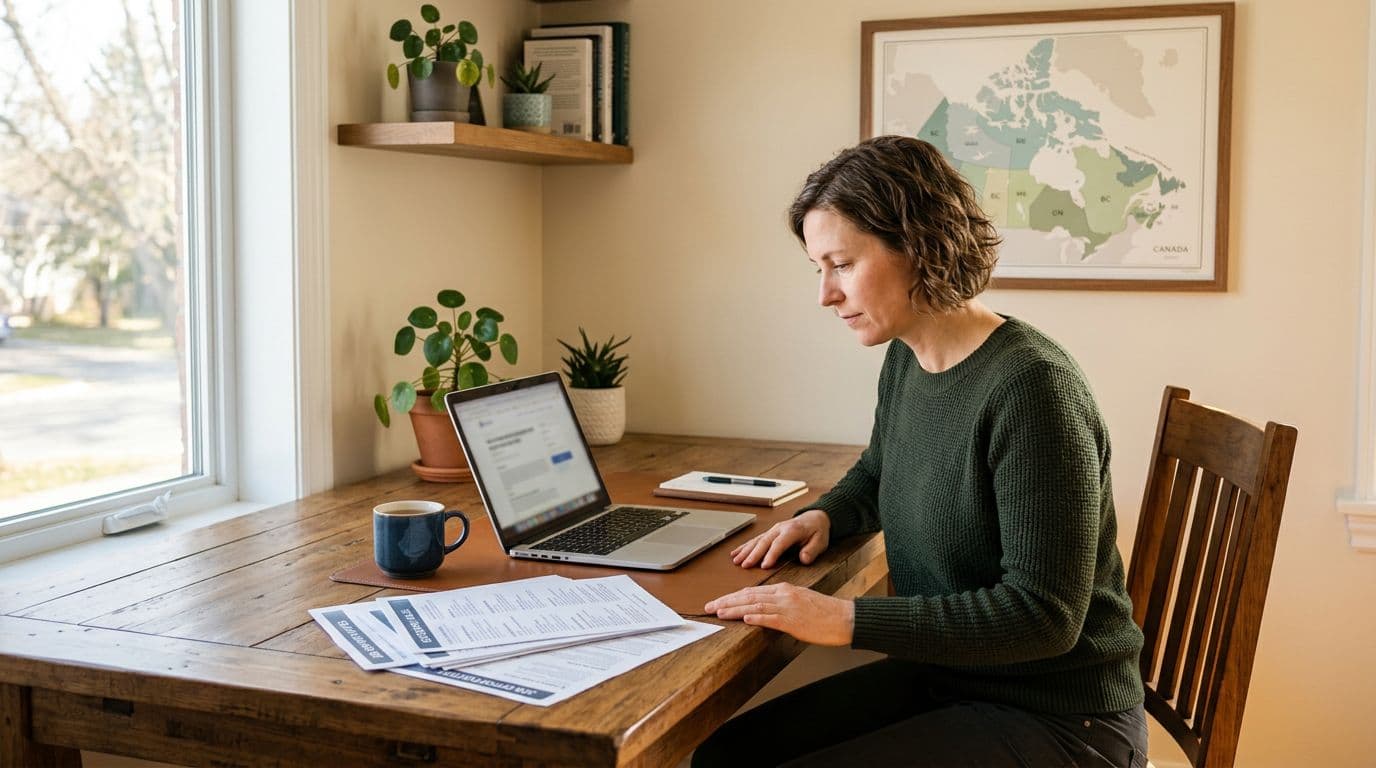
An osteopathic manual practitioner reviewing job leads and planning applications, created with AI.
A good job search here is part online, part relationship-based. Clinics hire for fit. They want someone patients trust and teammates like working beside.
Best places to search, plus the niche boards most people miss
Use broad boards for volume, then narrow down with association pages and local clinic networks, including reaching out to Clinical Coordinators and Clinic Leads. Search with multiple terms, because ads vary: "manual osteopath," "osteopathic manual practitioner," "osteopathic practitioner," and "manual therapy."
For a quick scan across provinces, start with osteopath listings on LinkedIn Canada. Then set up a Job Alert and be an Early Applicant, because many clinics pause ads once they have a full list of Early Applicants for interviews.
Resume, cover letter, and interview points clinics care about
Keep your resume simple and clinic-focused. Lead with outcomes and safe practice, not buzzwords. In interviews, clinics usually lean on a few themes:
Your assessment flow, including screening and referral triggers.
How you explain a plan to a nervous first-time client.
Charting style and how you hand off care to another provider.
Team communication with RMTs, Physiotherapist, chiros, naturopaths, and Massage Therapy professionals.
Ethical retention, such as re-assessing progress and tapering visits.
Bring one short case example that shows your thinking. Think of it like a movie trailer, not the whole film: the problem, what you found, what you did, and what changed.
Search Osteopath Jobs in Canada
Treat your search like training, small consistent reps beat rare sprints. Block two short sessions each week: one for scanning Healthcare Jobs postings to apply as an Early Applicant and one for outreach.
Alongside applying online, message clinic owners and massage therapists in Montreal Quebec for a 10-minute informational call. Even if they're not hiring today, position yourself as their top Early Applicant when a room opens or a practitioner goes on leave.
Conclusion
Osteopath jobs in Canada usually mean osteopathic manual practitioner roles, not DO physician jobs, often in clinics alongside massage therapists offering massage therapy services. Focus your search on Ontario Canada, British Columbia, and Quebec Canada first, since that's where postings cluster in 2026. These multidisciplinary environments frequently include physical therapists, rehabilitation therapists, and massage therapists who specialize in massage therapy. Then line up registration and insurance early, because clinics often screen for those before they talk schedule and split. Set weekly alerts, have a short outreach routine to position yourself as an Early Applicant, and compare offers based on support, policy clarity, and growth, not just the percentage. Success as an osteopath in manual therapy starts with these targeted steps.