Osteopath Jobs Australia
Osteopath Jobs Australia: Where the Work Is, Pay Expectations, and a Faster Search Plan
Thinking about Osteopath Jobs Australia because you want a steady diary, better mentoring, or a fresh start somewhere sunnier? You're not alone; being an early applicant gives you the edge since most roles sit in metro areas, where patients have higher access and clinics market harder, so job ads appear more often.
In day-to-day listings, employers are usually private clinics (often multi-disciplinary), plus rehab providers and occupational health teams. Pay varies a lot by model, but many employed roles land around AU$70,000 to AU$90,000, with clear variation by experience, caseload, and whether there's commission on top.
Like many healthcare jobs, counts change daily, sometimes hourly. So instead of promising a "perfect time" to apply, this guide gives you a simple search plan and the key details to check before you say yes.
What the osteopath job market looks like across Australia right now
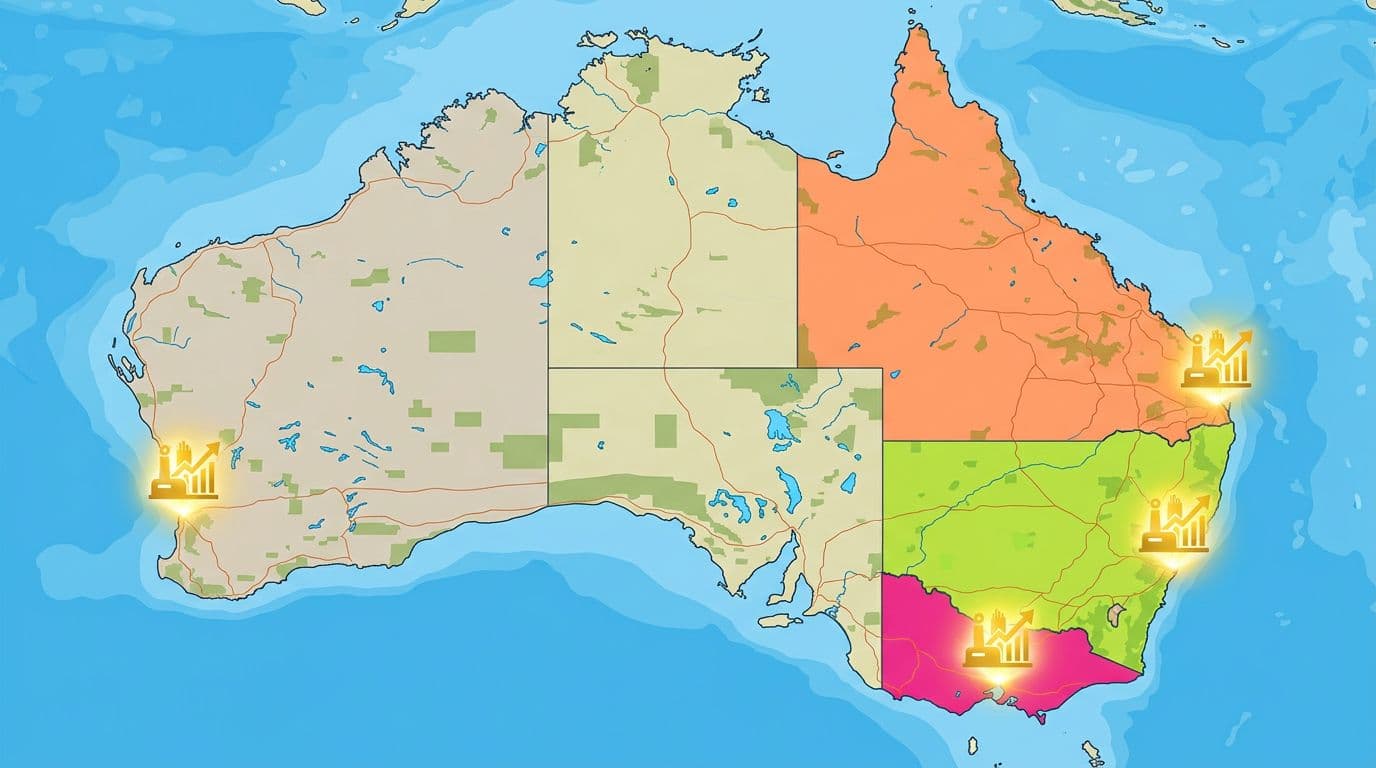 An at-a-glance view of where osteopathy roles tend to cluster, created with AI.
Australia has a relatively small osteopathy workforce. Recent national totals put it at about 2,300 osteopaths employed (latest widely cited count from the 2021 Census). Because the profession is small, local changes matter. When a clinic expands in a suburb, it can shift demand quickly.
Growth data for osteopaths alone is patchy, but the broader alternative health therapies sector has grown at roughly 2% per year in recent years. That doesn't guarantee easy hiring, though. It usually means steady consumer demand and a lot of small businesses. In practice, many osteopath roles sit inside small Private Practice clinics with lean teams, which changes what "support" looks like day to day.
Another detail that affects how jobs feel is hours. Average Full Time hours sit around 41 hours per week, yet only about 48% work full-time, with a large Part Time share. That lines up with what you see in ads: part-time roles, four-day weeks, and hybrid schedules are common.
Where the jobs are, and what that means for your job search
The biggest cluster is Victoria, which holds roughly 62.7% of employed osteopaths. After that comes New South Wales at around 20%, then Queensland near 9.7%. For a job hunter, this has a simple meaning: Melbourne Victoria Australia and its suburbs usually have the most listings, then Sydney New South Wales, then Brisbane Queensland.
More ads doesn't always mean easier hiring. Metro markets can be more competitive, and clinics may expect you to build quickly because they have more nearby options. On the other hand, metros also offer more clinic styles, more mentoring options, and more cross-referral with physiotherapists (physical therapists), GPs, and dentists.
Regional roles show up less often, but they can be worth a look if you want lower competition and a tighter community network, including opportunities in Western Australia or Adelaide South Australia. You'll still need to check the basics (admin support, appointment times, mentoring), because a "busy clinic" claim can mean very different things.
If you want a quick pulse check on what's being advertised this week, scan a big aggregator and note the locations that keep repeating, positioning yourself as an Early Applicant on fresh postings. The location filters on current osteopath job ads on LinkedIn Australia make the metro clustering obvious.
Typical pay, hours, and how packages really work in clinics
Salary data online often shows averages around the mid AU$60,000s to low AU$70,000s, with entry-level reported near AU$58,000 to AU$60,000 and early-career around AU$66,000 to AU$69,000. Higher figures can reach into the high AU$90,000s and beyond, especially with commission, strong retention, or senior responsibilities.
So why do you also hear "AU$70,000 to AU$90,000" so often? Because plenty of clinic offers sit in that band once you include the way packages are structured. Your base can look modest, then commission, bonus, or patient-load targets lift the real number.
Common clinic setups include:
- Straight salary with leave, superannuation, and a predictable week.
- Salary plus commission once you hit a weekly threshold (often tied to billings).
- Contractor arrangements where you earn a split, but handle more of your own costs and admin.
A pay package is only as good as the diary you can realistically build, therefore always ask what "support" means in numbers (new patient flow, recall systems, admin cover, and mentoring time).
How to search osteopath jobs in Australia without wasting time
 A focused job search setup with a simple shortlist process, created with AI.
A good search is less about scrolling and more about fast filtering. First, pick your two target locations (for example, Melbourne and Brisbane). Next, decide what you'll accept: employed or contract opportunities, full-time or part-time, and whether you want a multi-disciplinary team.
Then scan ads with a clinic-owner mindset. A strong ad usually tells you:
- who you'll work with,
- how you'll be supported,
- how performance is measured,
- what a normal week looks like.
Vague ads tend to hide friction. If you see big promises but no detail on appointment length, mentoring, or admin support, slow down.
Start with a focused job board search, then widen out
Start narrow, because niche boards save time. Then widen to larger aggregators, and finally use networking to unlock roles that never reach public ads.
A practical order that works:
- Niche boards and profession-specific pages (often fewer, better-matched ads).
- Aggregators (more volume, more noise).
- Direct clinic websites and warm outreach.
- Local networking (referrers, alumni groups, CPD events).
For a quick snapshot of current ads with location filtering, check osteopath jobs in Australia. Listings can include private practice roles alongside rehab and occupational health posts, and you'll often see roles tagged across VIC, QLD (including Brisbane), and TAS, depending on the week.
Once you've found 6 to 10 "maybes", position yourself as an early applicant: create a shortlist. Then email or call to clarify the two details that decide everything: expected caseload growth toward clinical specialist responsibilities, and what support looks like in the first 8 to 12 weeks.
A quick checklist for reading job ads like a pro
Before you apply, scan for specifics that affect your day, not just the headline pay:
- Registered Practitioner: AHPRA registration (or eligibility) should be stated clearly.
- Supervision and mentoring: Named mentoring time beats "supportive team" wording.
- Caseload expectations: Ask how many musculoskeletal patients per day by week 4, week 12, and month 6.
- Appointment length: First consult and standard follow-up times should be realistic.
- Reception and patient management: Confirm who handles bookings, recalls, and payment issues.
- Treatment approach fit: You don't need to match perfectly, but you should align on safety, scope, and clinic environment.
- Software used: A small point, yet it affects admin load and note speed.
- Contractor vs employee: Make sure the status matches the expectations.
- Leave and superannuation: Especially important in employed roles, and often a sticking point.
- Salary clarity: Some ads state pay ranges, for example one listing shows AU$95,000.
Eligibility to work as an osteopath in Australia, registration and pathways
 A typical clinic setting where communication and trust matter as much as technique, created with AI.
The non-negotiable requirement is simple: you must have registration with the Osteopathy Board of Australia via AHPRA to use the title "osteopath" and work in typical clinical roles. Clinics usually won't progress your application without clarity here, because they can't risk a delayed start date, especially in multidisciplinary clinics where allied health professionals, remedial massage therapists, and myotherapists collaborate on treatment pathways.
That said, your pathway depends on where you trained. Australian graduates tend to move fastest. Overseas-trained applicants can still do it, but timeframes vary, and you'll need to plan paperwork early.
Treat registration like your first job task. If you can't prove your pathway, a clinic can't plan its diary, so you'll often lose out to the early applicant who can start sooner.
If you want to track profession-run postings while you sort your documents, keep an eye on Osteopathy Australia's job vacancies page, which often includes locums and member-posted roles.
If you trained in Australia, what you need before you apply
Australian-trained applicants usually need:
- Completion of an accredited osteopathy qualification (commonly a master's level route in Australia).
- AHPRA registration in place (or at least submitted, with a clear timeline).
- Current practical essentials clinics may ask about, such as first aid, if relevant to their policies.
In addition, prepare a tidy document folder before you start applying. Keep your ID, qualifications, insurance details (if applicable), immunisation evidence (if required), and referee contacts ready. Then when a good role appears, you can apply within 24 hours, not a week later.
Speed matters because many clinic owners recruit while they're busy treating. They'll often interview the first three strong applicants and stop there.
If you trained overseas, how the assessment and registration options work
Overseas-trained osteopaths usually go through an assessment process before they can register. Australia uses the Australian Osteopathic Accreditation Council (AOAC) assessment in many cases, and outcomes can include different registration options depending on your background and assessment result.
Some applicants may enter general registration after meeting requirements. Others may need provisional registration with supervised practice, or another pathway designed to confirm competence in the Australian context.
If you trained in the UK and hold registration with the General Osteopathic Council, you may be considered for a Competent Authority Pathway assessment route, depending on current rules and your circumstances. Even so, plan for admin time. While you wait, shortlist clinics that have experience supporting internationally trained clinicians, because they tend to communicate better about start dates and onboarding.
What makes a strong application for osteopath jobs in Australia
 The basics of an application pack that's easy for a clinic owner to skim, created with AI.
Most clinic owners want the same three things: safe care, clear communication, and someone who turns up reliably. Your CV and interview should make those points easy to spot in under a minute.
Keep your CV clean and clinic-friendly. Use a short profile, a skills section grounded in outcomes from manual therapy, then your experience. Long technique lists don't help much, because technique choice changes by patient and presentation. Instead, show how you think.
Build a CV that shows outcomes, not just techniques
Write at an eighth-grade level, because busy people skim. Aim for concrete, everyday wording:
- The patient groups you see most (office workers with neck pain, runners with hip issues, headaches and TMJ presentations).
- How you screen for red flags and choose referral when needed.
- What you measure (pain scores, function goals, return to sport, sleep, work tolerance).
- How you work with others (handover notes, shared plans with physios, letters to GPs).
For New Graduate applicants, you can still be strong. Add placement highlights, the sort of supervision you had, and what you learned from feedback. Also include customer service roles if you've had them, because patient retention often comes down to rapport, clarity, and follow-up.
If a job ad shares a salary range, mirror its priorities. For example, a role that mentions performance rewards probably cares about rebooking, communication, and consistent note-keeping. Be an early applicant by responding within 24 hours of a listing appearing.
To see the kind of details clinics sometimes publish (salary bands included), review examples on Osteopathy Australia's Osteo Careers listings and note what the best ads make clear.
Interview questions to prepare for, and how to talk about your style of care
Expect practical questions, not theory exams. Common topics include:
- How you manage red flags and when you refer.
- How you explain informed consent in plain English.
- What you do when a patient isn't improving after a few sessions.
- How you collaborate with occupational therapists, rehabilitation consultants, exercise physiologists, vocational advisors, physios, GPs, dentists, or trainers.
- How you encourage rebooking without sounding pushy.
- How you structure a first visit, including history, exam, explanation, and plan.
Keep answers short, then give one example. A real case story (de-identified) shows maturity fast.
Also ask your own questions, because the job has to work for you. Ask about mentoring schedule, KPI definitions, admin support, and the expected ramp-up period. If the answers feel slippery, trust that signal.
Conclusion
Osteopath Jobs Australia offers a strong mix of private clinic work, rehab roles for Physical Therapists and Vocational Advisors, Remedial Massage Therapist positions, and flexible schedules, but the best outcome comes from a simple plan. Choose your target cities, confirm your registration pathway, set up saved searches, and apply fast as an Early Applicant with a tailored CV. Then follow up, because clinic owners often hire while juggling a full day of patients. Explore niche paths like Mobile Therapist or Corporate Massage Therapist for added flexibility within the field. Above all, prioritise roles with clear support and clear expectations, since listings and "busy clinic" claims change week to week.